Tag: yoga

  • Samadhi

    The Final Threshold of Yoga

    In a world that often equates yoga with flexibility, fitness, or momentary calm, the word Samadhi stands apart—quiet, immense, and often misunderstood. It is not a pose, not a technique, and not even a state that can be easily described. It is the culmination of the yogic path, the highest aspiration for the sincere practitioner.

    What Is Samadhi?

    In classical yogic philosophy, particularly in the teachings of the Yoga Sutras, Samadhi is the final limb of the eightfold path. It represents a state of complete absorption, where the distinction between observer and observed dissolves.

    There is no “you” meditating on an object.
    There is only pure awareness, aware of itself.

    This is not relaxation. It is not even mindfulness as commonly understood. It is a profound shift beyond the fluctuations of the mind—beyond identity, beyond thought, beyond separation.

    The Journey Toward Samadhi

    Samadhi is not something that can be forced or purchased. It is approached through discipline, refinement, and devotion.

    The path traditionally unfolds through:

    • Ethical alignment (Yama & Niyama) – creating inner and outer harmony
    • Physical stillness (Asana) – preparing the body to sit with ease
    • Breath mastery (Pranayama) – regulating life force
    • Withdrawal of the senses (Pratyahara) – turning inward
    • Concentration (Dharana) – steadying the mind
    • Meditation (Dhyana) – uninterrupted flow of awareness

    Only then does Samadhi arise—not as an achievement, but as a natural consequence of deep inner alignment.

    Beyond Experience

    One of the paradoxes of Samadhi is that it cannot be grasped as an “experience” in the usual sense. Experiences come and go. Samadhi points to something unchanging.

    In its deeper forms, even the subtle sense of “I am experiencing this” fades away. What remains is often described as:

    • Boundless stillness
    • Infinite clarity
    • A sense of unity with all that is

    Yet these are only approximations. Language, by its nature, falls short.

    Why It Matters Today

    In modern life, we are constantly pulled outward—toward stimulation, validation, and distraction. The pursuit of Samadhi offers a radical alternative: a return to essence.

    It is not about escaping the world, but about seeing through the illusion of separation within it.

    For the committed practitioner, this path becomes less about self-improvement and more about self-transcendence.

    A Private Path, A Sacred Commitment

    The journey toward Samadhi is deeply personal. It requires consistency, guidance, and an environment that honours silence and depth.

    This is where a dedicated, private practice becomes invaluable. Away from noise and performance, one can begin to cultivate the subtle awareness required to move beyond technique… into transformation.

    Final Reflection

    Samadhi is not reserved for the ancient yogis alone. It remains a living possibility—quietly उपस्थित (present), waiting beyond the surface of the mind.

    It is not something you add to your life.
    It is what remains when everything unnecessary falls away.

  • Mindful Breathing Exercises for Anxiety and Relaxation

    Anxiety often begins quietly—in a restless mind, a tightening chest, or a breath that becomes shallow without us noticing. Before thoughts fully take over, the body is already responding.

    The breath sits at the meeting point between body and mind. By bringing gentle awareness to it, we can begin to soften anxiety, calm the nervous system, and return to a more grounded state.

    Mindful breathing is not about forcing change, but about allowing the body to remember its natural rhythm.


    Why the Breath Matters

    When we feel anxious, the breath becomes quick and shallow, signalling the body to remain in a state of alert. By slowing and deepening the breath—without strain—we send a different message: that it is safe to relax.

    Over time, this simple awareness can shift how we respond to stress and emotional tension.


    1. Natural Breath Awareness

    Begin by sitting or lying comfortably.

    Bring your attention to the breath as it is, without trying to change it. Notice the air moving in and out, the rise and fall of the chest or abdomen.

    If the mind wanders, gently return to the breath.

    This simple practice builds the foundation for all mindful breathing.


    2. Extended Exhale Breathing

    Inhale gently through the nose, then allow the exhale to be slightly longer than the inhale.

    For example:

    • Inhale for a count of 4
    • Exhale for a count of 6

    A longer exhale helps activate the body’s relaxation response, easing tension and calming the mind.


    3. Abdominal (Diaphragmatic) Breathing

    Place one hand on the chest and one on the abdomen.

    Allow the breath to move more deeply into the belly, so the lower hand rises while the upper hand remains relatively still.

    This encourages a slower, more grounded breath, helping to reduce anxiety.


    4. Pausing Between Breaths

    After each inhale or exhale, allow a brief, natural pause.

    Do not hold the breath forcefully—simply notice the stillness between breaths.

    These small moments of silence can create a sense of space within the mind.


    5. Breath with Gentle Awareness of the Body

    As you breathe, bring attention to areas of tension—such as the shoulders, jaw, or chest.

    With each exhale, imagine softening these areas, allowing the body to release what it has been holding.


    6. Rhythmic Breathing

    Establish a steady rhythm:

    • Inhale for 4
    • Exhale for 4

    Let the breath flow smoothly, without effort.

    This rhythm can help stabilise the mind when thoughts feel scattered or overwhelming.


    7. Breathing with Compassion

    If anxiety is strong, bring a sense of kindness into the practice.

    As you breathe, silently acknowledge:

    • “It’s okay to feel this way.”
    • “I can be with this moment.”

    This gentle approach reduces inner resistance and supports emotional balance.


    The Role of Stillness

    As breathing becomes slower and more natural, the mind begins to quiet. In this quietness, we may experience moments of stillness—free from constant thought and tension.

    These moments, however brief, are deeply restorative. They allow us to step out of the cycle of anxiety and reconnect with a calmer, more centred state of being.


    A Supportive Environment for Practice

    For many people, developing a consistent breathing practice can be challenging alone. A calm, guided environment can help deepen the experience.

    For those in North London, practices such as private yoga, meditation, or Reiki can gently support this process—offering space to slow down, breathe more fully, and reconnect with the body and mind.


    A Gentle Practice

    Mindful breathing does not require perfection or effort. It is a quiet returning—to something that has always been with us.

    Even a few minutes each day can begin to shift how we experience anxiety, creating space for calm, clarity, and balance.


    Enter the Absolute.

  • Spiritual Growth

    Getting Started with Private Yoga, Meditation & Reiki in North London

    Spiritual growth is a deeply personal journey, a process of coming to know ourselves more fully, expanding love and understanding, and discovering a sense of meaning, purpose, and connection to the Infinite Spirit. For those living in North London, practices like private yoga, meditation, and Reiki provide a supportive path to explore this inner journey.


    Yoga: Slowing Down and Calming the Mind

    Yoga is often the first step in cultivating spiritual growth. By guiding the body through gentle postures, mindful breathing, and awareness of movement, yoga teaches us to slow down, release tension, and bring attention to the present moment. This physical and mental calm creates the foundation for meditation: a mind that is rested, focused, and receptive.

    In private sessions, the personalised guidance allows you to move at your own pace, safely exploring postures and breathing techniques that resonate with your body and energy. This private environment fosters deeper relaxation, greater focus, and a stronger connection to your inner self, speeding up the journey toward spiritual insight.


    Meditation: Attaining Stillness and Self-Knowledge

    Once the mind is calmed through yoga, meditation allows us to go deeper into stillness and self-awareness. By sitting in silence, observing thoughts without judgement, and focusing inward, we begin to understand the nature of our mind, emotions, and habitual patterns.

    It is in this stillness that the union with the Infinite Spirit—the essence of yoga—is experienced. Meditation provides a mirror to the soul, helping us realise our full potential and expand qualities such as love, compassion, understanding, and happiness.


    The Role of Silence, Compassion, and Non-Judgement

    Spiritual growth flourishes when we cultivate:

    • Silence – creating space to hear our inner voice
    • Compassion – fostering kindness towards ourselves and others
    • Non-judgement – accepting ourselves and our experiences without criticism

    These qualities are strengthened through private yoga and meditation, where guidance is tailored to your unique needs, and distractions are minimised. The privacy and calm of a personal session accelerate progress, allowing for a more profound connection to your inner self.


    Reiki: Supporting Emotional and Spiritual Balance

    Reiki complements yoga and meditation by clearing energetic blockages, restoring harmony, and supporting emotional healing. This energy-based practice deepens your sense of balance and encourages a greater openness to self-reflection, helping spiritual growth unfold naturally.


    The Benefits of Focusing Within

    Practising yoga, meditation, and Reiki privately in a supportive environment can lead to:

    • Enhanced self-awareness and inner peace
    • Expanded compassion and empathy for others
    • Personal transformation, releasing limiting beliefs and past traumas
    • Clarity of purpose, aligning daily life with higher values
    • Experiencing unity and transcendence, moving beyond ego to feel connection with all life

    Through this inner focus, we cultivate the qualities necessary for spiritual growth, creating a life guided by mindfulness, love, and understanding.


    Getting Started

    Spiritual growth does not require prior experience or extraordinary discipline. It begins with small, intentional steps: a few minutes of mindful movement, quiet meditation, or energy work in a calm, private space.

    If you are in North London and wish to explore private yoga, meditation, or Reiki as a path to spiritual growth, I offer personalised sessions designed to support your journey inward, helping you slow down, reconnect, and nurture your highest potential.


    Enter the Absolute.

  • The Tricky Art of Keeping Focused

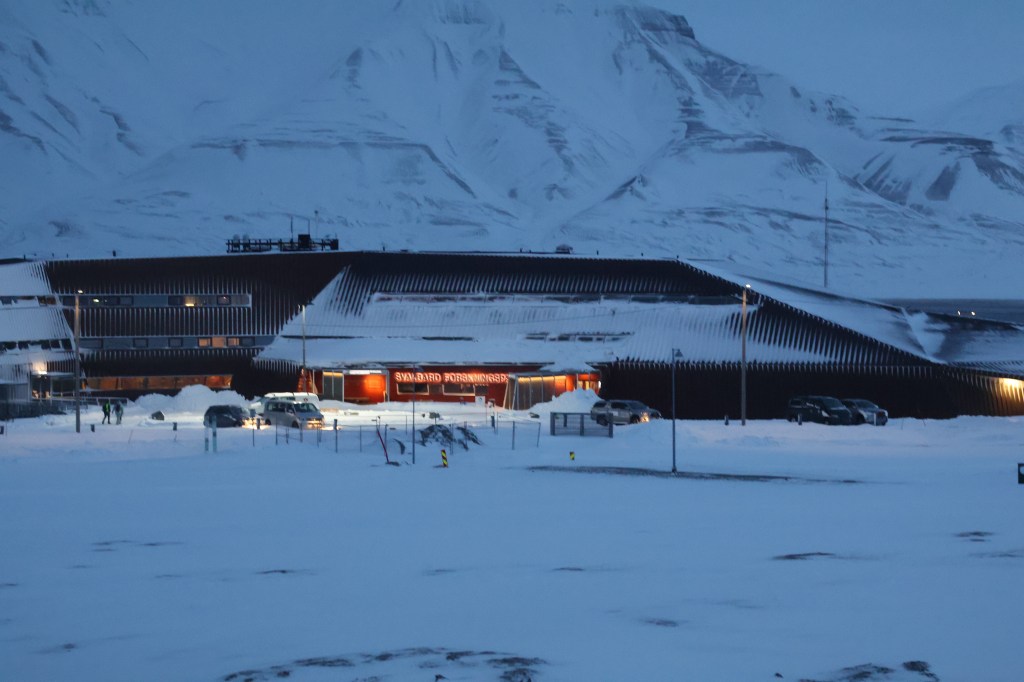
    I was feeling overwhelmed and unable to focus, so I decided to take a break and go for a weekend getaway. I packed a couple of t-shirts, my warm jacket, and all my wintry accessories, and off I went to Svalbard, Longyearbyen. It’s the northernmost human settlement in the world, and I was hoping to find silence and peace to practice yoga and meditate—to pull myself together.

    The village is otherworldly, to say the least. I got there on a cloudy afternoon on 8 February, and the place is unbelievable at this particular time of the year as the long Arctic night starts to fade into timid, short blue days. It’s not like a fully clear day; it’s just that intermezzo between day and night, lasting about five to six hours during this period of the year.

    It was with a bit of trepidation that I descent into that desert of ice with no vegetation and temperatures below zero—not too cold, though, just enough to remind you that the place is inhospitable enough to kill you in a few minutes if you get lost and a storm reaches you.

    However, the hotel was amazingly comfy, and the silence was divine! I took a bath and had a long yoga session before setting aside an hour for deep meditation. That was what I needed to tune myself back in with my inner self and regain my focus.

    One thing that struck me, though, was the fact that people didn’t seem as relaxed as I had expected. I thought that after three months in the darkness, people would be as calm as we normally get at night. You know, we’re different by night. But that didn’t seem to be the case with people in Svalbard. They were mostly kind and friendly, but I noticed something discomforting underneath—some sort of uneasiness that could well be worked out by a little yoga practice.

    The following day, I was already on my way back to London, and it turned out to be one of the most remarkable days of my life. It became day at about 9:00 AM. I had a marvellous breakfast, went for a walk, and took some pictures of that amazing blue light that would never cease to wow me. At 3:00 PM, we took off, heading to Oslo, and it was already pitch-dark. But as soon as we crossed the clouds, the light changed—it became like early morning before sunrise. The more we flew southeast, the brighter it became. After a few minutes, we glimpsed a flat orange-coloured line at the end of the horizon, which grew larger and larger until the sun emerged between the clouds and the sky. As we flew further, it became bigger and bigger, standing just above the horizon line for a couple of hours before we descended, touched the clouds, and watched it disappear, making way for the nightfall.

    It was the longest and most beautiful sunset I had ever seen, and it looked like a sunrise—rising to a certain level and lingering there before finally deciding to go down again.

    I felt blessed when we landed in Oslo, but then a few setbacks brought me back to reality. The airport was undergoing some refurbishment, so we had to take a bus to reach the terminal. Once there, I discovered that the transit area for non-Schengen citizens was makeshift. The immigration officer was a bit confused, struggled to understand English, and was adamant that I was in the wrong place. He refused to let me pass and instead sent me in search of someone to accompany me through the transfer wing. But nobody seemed to be available. After a bit of back and forth—and when some officials started to feel embarrassed by the situation—the officer finally called me back to his till, stamped my passport, and let me through so I could reach my boarding area.

    Once there, an airport employee came and asked all passengers to get up, exit the boarding room, and wait in line in the corridor for about 30 minutes before we were allowed to board the plane.

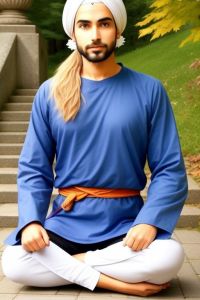
    Once onboard, I noticed that my fellow passenger wasn’t very friendly. But as I was sitting by the window at an exit, and the seat next to me was empty, I crossed my legs in a lotus pose and dove into deep meditation for the entire flight to London. That attracted a lot of attention—I could hear people taking pictures and commenting excitedly about my posture. I couldn’t help but be slightly amused when I noticed that my seatmate, who had been almost cold when we first met, was now anxious to strike up a conversation. But by that point, I was already deeply interiorised and wasn’t interested in socialising anymore.

    Today, the only thing I could think about was his reaction and change of attitude—how it must have felt to him to realise that he had judged me by my appearance, only to soon discover that I was nothing like he had anticipated.

    How silly of me to waste my time thinking about such irrelevancies! After a beautiful weekend in one of the most breathtaking places on earth, after witnessing the longest sunrise/sunset I’ve ever seen, and after the unique experience of going into deep meditation while flying, my childish mind still fixates on a minor, pointless revenge against a complete stranger who, unwillingly, had been cold to me at first.

    How is it that our minds are always trying to distract us from the things that truly matter? Why is the ego always trying to overshadow the soul?

    I wish I could stay in that blessed state of mind forever, but I can’t help thinking about minor earthly pleasures and worries.

    Any suggestions?

  • Achieving Illumination

    The Four Pillars of Spiritual Transformation

    Four Steps You Need to Take to Achieve Illumination
    Believe. Courage. Surrender. The Relinquishment of the Ego.

    Let me start with the premise that I’m not an enlightened master—not yet, although I’m working towards it. This blog is about my discoveries so far. It’s based on my real-life experiences, and I write about them in the hope that they might help someone on the path.

    Like a seed needs to decay before it sprouts, we must deconstruct ourselves before we are reborn as enlightened beings. This rebirth can be metaphorical or literal, depending on personal circumstances.

    As far as I can tell, it is a painful process. That’s why, I guess, we’re often subconsciously hesitant to commit to the spiritual path, taking untold incarnations before we choose to do so.

    Is fear justified? My response is that it is not—since God always takes care of us. However, one must believe, and this is the most difficult part. We need to refine our intuition first and then trust it, because we will always be required to risk everything, quite literally.

    The interesting thing is that we usually lose everything, hence the pain. To believe, you must make a covenant with God, offering Him your sincerity and love. Ask Him for a signal, and when it arrives, you’ll know you’re on the right path.

    We are built upon countless certainties accumulated over many incarnations. These certainties are shortcuts our subconscious uses to make quick decisions and keep us within our comfort zone. However, that comfort zone is like a maze, and we need to find a way out if we are to avoid returning indefinitely to this plane.

    There will come a moment when you feel utterly alone. Nobody will understand you or care about your predicament. When that moment comes, you’ll have to leap across the dark void, knowing there is no turning back. This takes courage.

    Faith and Courage. Now, Surrender.

    I was blessed with one of the greatest gifts anyone has ever received. My guru, Paramhansa Yogananda, came to me in flesh and blood on the night of August 15, 2010. For those who don’t know, Yogananda was a great enlightened yoga master who brought the science of Kriya Yoga to the West in the early 20th century. He died on March 7, 1952, in Los Angeles. I had prayed for a sign that Jesus had sent Yogananda to lead me to illumination, and God answered my prayer in that marvelous way.

    The event was so unique and grand that it seemed enough to ensure I’d never stray from the path to illumination. I felt so empowered that, for a moment, I believed I had already reached the heights of yoga. I was in ecstasy for several days.

    Soon after, I heard the sound of Om enveloping my whole body. A visible light surrounded me, and an incredible magnetism radiated from me. Yet, I was about to learn that this glorious blessing was only a lifeboat to keep me afloat through the storms ahead.

    During this blissful state, I dumped a damaged cellphone down a slope into a ravine. Although I immediately regretted it, it took me four days to retrieve and properly dispose of it. When I finally did, the phone—drenched, with a dead battery and no SIM card—rang. As I answered, a strong wind knocked me violently into the ravine. I fell headfirst between two massive stones, miraculously escaping unharmed.

    That was the first sign I didn’t fully grasp the magnitude of what I was experiencing.

    Soon after, I went on a pilgrimage to India, where I lost my left hip and had to get an artificial replacement. Upon returning to Italy, I developed purulent wounds on my shins. Over the next two years, I suffered memory loss, disorientation, a near-death experience, a liver tumor, and the loss of all my possessions.

    Despite these trials, I recalled my covenant with God: to do everything I could to please Him if He showed me the way. This promise, along with countless miracles, kept me on the path.

    Eventually, I realized that surrender—complete acceptance of God’s will—was the key to liberation. When I fully embraced this, joy and peace returned to my life.

    The Relinquishment of the Ego

    When we realize we are all part of the same consciousness, it becomes easier to let go of uniqueness, separateness, self-importance, and ego. We’re all manifestations of God, who created the veil of illusion, or Maya, for His enjoyment. Maya makes us believe we’re separate, but in reality, we’re one.

    Understanding this allows the ego to fade away. No matter where we are on our spiritual journey, comparing ourselves to others is futile; everyone has unique lessons to learn.

    For me, the journey has been about depending solely on God, letting go of attachments, and burning past karma. Although I am still a work in progress, I trust that hatha yoga, Reiki, meditation, a balanced diet, and a simple life free from distractions are helping me bear fruit.