
Tag: mental-health

  • Mindful Breathing Exercises for Anxiety and Relaxation

    Anxiety often begins quietly—in a restless mind, a tightening chest, or a breath that becomes shallow without us noticing. Before thoughts fully take over, the body is already responding.

    The breath sits at the meeting point between body and mind. By bringing gentle awareness to it, we can begin to soften anxiety, calm the nervous system, and return to a more grounded state.

    Mindful breathing is not about forcing change, but about allowing the body to remember its natural rhythm.


    Why the Breath Matters

    When we feel anxious, the breath becomes quick and shallow, signalling the body to remain in a state of alert. By slowing and deepening the breath—without strain—we send a different message: that it is safe to relax.

    Over time, this simple awareness can shift how we respond to stress and emotional tension.


    1. Natural Breath Awareness

    Begin by sitting or lying comfortably.

    Bring your attention to the breath as it is, without trying to change it. Notice the air moving in and out, the rise and fall of the chest or abdomen.

    If the mind wanders, gently return to the breath.

    This simple practice builds the foundation for all mindful breathing.


    2. Extended Exhale Breathing

    Inhale gently through the nose, then allow the exhale to be slightly longer than the inhale.

    For example:

    • Inhale for a count of 4
    • Exhale for a count of 6

    A longer exhale helps activate the body’s relaxation response, easing tension and calming the mind.


    3. Abdominal (Diaphragmatic) Breathing

    Place one hand on the chest and one on the abdomen.

    Allow the breath to move more deeply into the belly, so the lower hand rises while the upper hand remains relatively still.

    This encourages a slower, more grounded breath, helping to reduce anxiety.


    4. Pausing Between Breaths

    After each inhale or exhale, allow a brief, natural pause.

    Do not hold the breath forcefully—simply notice the stillness between breaths.

    These small moments of silence can create a sense of space within the mind.


    5. Breath with Gentle Awareness of the Body

    As you breathe, bring attention to areas of tension—such as the shoulders, jaw, or chest.

    With each exhale, imagine softening these areas, allowing the body to release what it has been holding.


    6. Rhythmic Breathing

    Establish a steady rhythm:

    • Inhale for 4
    • Exhale for 4

    Let the breath flow smoothly, without effort.

    This rhythm can help stabilise the mind when thoughts feel scattered or overwhelming.


    7. Breathing with Compassion

    If anxiety is strong, bring a sense of kindness into the practice.

    As you breathe, silently acknowledge:

    • “It’s okay to feel this way.”
    • “I can be with this moment.”

    This gentle approach reduces inner resistance and supports emotional balance.


    The Role of Stillness

    As breathing becomes slower and more natural, the mind begins to quiet. In this quietness, we may experience moments of stillness—free from constant thought and tension.

    These moments, however brief, are deeply restorative. They allow us to step out of the cycle of anxiety and reconnect with a calmer, more centred state of being.


    A Supportive Environment for Practice

    For many people, developing a consistent breathing practice can be challenging alone. A calm, guided environment can help deepen the experience.

    For those in North London, practices such as private yoga, meditation, or Reiki can gently support this process—offering space to slow down, breathe more fully, and reconnect with the body and mind.


    A Gentle Practice

    Mindful breathing does not require perfection or effort. It is a quiet returning—to something that has always been with us.

    Even a few minutes each day can begin to shift how we experience anxiety, creating space for calm, clarity, and balance.

    Enter the Absolute.

  • The Burden of Giving

    Reflections on Generosity and Emotional Balance in North London

    Why do we feel the need to be needed? Why does our existence seem to demand that we serve a purpose in the lives of others? Across cultures and philosophies, human beings have sought meaning through contribution—through being useful, needed, or even indispensable. But what happens when our gifts are rejected? When, instead of gratitude, we receive resentment? When, instead of connection, we feel alienated?

    I have spent a lifetime giving—offering what I believed to be pearls of wisdom, truth, and guidance. Yet often, I have felt as though these offerings were unseen, or dismissed, leaving me to wrestle with the emptiness of giving without reciprocation.

    The Paradox of Giving: Purpose vs. Rejection

    It is often said that to give is divine, that generosity brings us closer to a higher purpose. But giving indiscriminately, without discernment, can lead to an emptiness deeper than selfishness ever could. There is a subtle, spiritual ache that comes from seeing our gifts go unrecognised, from feeling unseen, unheard, or even resented for trying to help.

    So, how do we navigate this paradox? How do we ensure that our giving is meaningful, yet does not leave us depleted? How do we offer without losing ourselves in the process?

    Discerning Where to Give: Wisdom in Generosity

    Perhaps the first lesson is that not everyone is ready to receive. Just as we do not feed a newborn solid food, not everyone is in a place to accept deeper truths, healing, or guidance. Giving is not about forcing enlightenment upon others, but about meeting people where they are.

    Sometimes, people do not want what we believe is valuable. In a world distracted by materialism, power, and fleeting pleasures, offering truth and spiritual support can feel like trying to quench thirst in those who deny it.

    Giving Without Depletion: Replenishing the Self

    Giving cannot come from an empty well. Many of us give until we are drained, expecting the Universe to refill us automatically, only to find ourselves exhausted and questioning everything. True giving must flow from a place of abundance, nurtured through reflection, self-care, and connection to a higher source—whether we call it God, the Universe, or the Divine.

    For those of us in North London seeking ways to restore this balance, gentle practices such as private yoga, meditation, or Reiki can offer a space to reconnect with ourselves, quiet the mind, and replenish our energy. These are not solutions for others, but for the giver—to refill the cup before pouring into the world.

    Patience and Trust: The Hardest Lesson

    Patience is not passive waiting, but trust in the unfolding of life. Just because we are not receiving now, it does not mean we are forgotten. The hardest lesson is learning to receive—allowing life, the Universe, and even others to nourish us in turn.

    Perhaps the answer lies not in giving more, nor in withholding completely, but in giving wisely. Not in controlling outcomes, but in trusting that those who are meant to receive will find us when the time is right.

    Final Thoughts: What Are We Truly Meant to Give?

    I do not know exactly what I am meant to give, to whom, or whether I should concern myself with these questions at all. Yet I know that giving, when rooted in love, humility, and discernment, aligns us with something greater.

    If you have ever felt that your gifts were unwanted, know that you are not alone. Sometimes the world is not ready for what we offer—but that does not diminish its value. And sometimes, the Universe is asking us to pause, reflect, and refill our own well before we can pour into others.


  • Adaptogenic Herbs

    Best Adaptogenic Herbs to Support Stress Relief and Calm

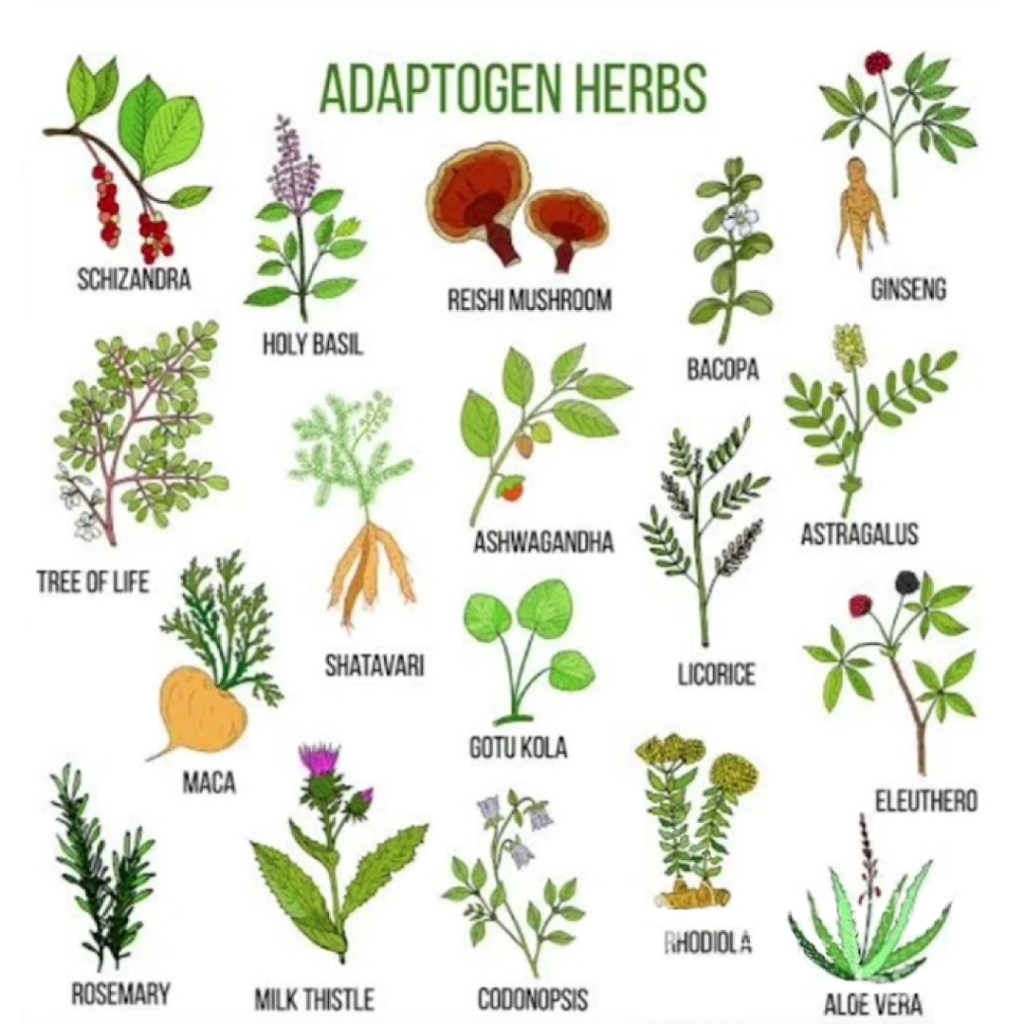
    Adaptogenic herbs are a unique category of plants and fungi that help the body adapt to stress, balance physiological functions, and promote overall well-being. They have been used for centuries in traditional medicine systems, including Traditional Chinese Medicine (TCM) and Ayurveda, and are now gaining popularity globally for their ability to support physical, mental, and emotional health. Here’s a detailed explanation of adaptogenic herbs, their benefits, and examples:


    What Are Adaptogens?

    • Definition: Adaptogens are natural substances (usually herbs or mushrooms) that help the body resist physical, chemical, and biological stressors.
    • Function: They work by regulating the hypothalamic-pituitary-adrenal (HPA) axis, which controls the body’s stress response.
    • Key Characteristics:
      1. Non-Specific: They help the body adapt to a wide range of stressors.
      2. Normalizing: They restore balance (homeostasis) regardless of whether the body is over- or under-functioning.
      3. Safe and Non-Toxic: They have minimal side effects when used appropriately.

    Benefits of Adaptogenic Herbs

    1. Reduce Stress and Anxiety:
      • Help lower cortisol levels (the stress hormone) and promote relaxation.
    2. Boost Energy and Combat Fatigue:
      • Improve physical and mental stamina without overstimulating the body.
    3. Enhance Mental Clarity and Focus:
      • Support cognitive function and reduce brain fog.
    4. Strengthen the Immune System:
      • Help the body resist infections and illnesses.
    5. Balance Hormones:
      • Regulate hormones related to stress, sleep, and metabolism.
    6. Improve Sleep Quality:
      • Promote restful sleep by calming the nervous system.
    7. Support Overall Well-Being:
      • Enhance resilience and vitality.

    Popular Adaptogenic Herbs

    1. Ashwagandha:
      • Origin: Ayurvedic medicine.
      • Benefits: Reduces stress, improves energy, and supports thyroid function.
      • Forms: Powder, capsules, or tinctures.
    2. Rhodiola Rosea:
      • Origin: Traditional medicine in Siberia and Scandinavia.
      • Benefits: Enhances mental performance, reduces fatigue, and improves mood.
      • Forms: Capsules, extracts, or teas.
    3. Holy Basil (Tulsi):
      • Origin: Ayurvedic medicine.
      • Benefits: Reduces stress, supports immune function, and promotes relaxation.
      • Forms: Tea, capsules, or tinctures.
    4. Ginseng:
      • Types: Asian ginseng (Panax ginseng) and American ginseng (Panax quinquefolius).
      • Benefits: Boosts energy, improves cognitive function, and supports the immune system.
      • Forms: Tea, capsules, or extracts.
    5. Reishi Mushroom:
      • Origin: Traditional Chinese Medicine.
      • Benefits: Supports immune health, reduces stress, and promotes relaxation.
      • Forms: Powder, capsules, or teas.
    6. Astragalus:
      • Origin: Traditional Chinese Medicine.
      • Benefits: Boosts immunity, reduces inflammation, and supports heart health.
      • Forms: Capsules, teas, or tinctures.
    7. Schisandra Berry:
      • Origin: Traditional Chinese Medicine.
      • Benefits: Enhances mental clarity, reduces stress, and supports liver health.
      • Forms: Powder, capsules, or teas.
    8. Maca Root:
      • Origin: Traditional medicine in the Andes.
      • Benefits: Boosts energy, balances hormones, and enhances libido.
      • Forms: Powder or capsules.

    How to Use Adaptogenic Herbs

    1. Teas and Infusions:
      • Brew dried herbs or mushrooms in hot water for a soothing drink.
    2. Powders:
      • Add to smoothies, coffee, or oatmeal.
    3. Capsules and Tablets:
      • Convenient for daily supplementation.
    4. Tinctures and Extracts:
      • Concentrated liquid forms that can be added to water or taken directly.
    5. Culinary Uses:
      • Incorporate adaptogens into recipes (e.g., reishi hot chocolate or maca energy balls).

    Safety and Considerations

    1. Consult a Healthcare Provider:
      • Especially if you are pregnant, breastfeeding, or taking medications.
    2. Start Slowly:
      • Begin with small doses to see how your body responds.
    3. Quality Matters:
      • Choose high-quality, organic products from reputable brands.
    4. Avoid Overuse:
      • Adaptogens are meant to support the body, not replace a healthy lifestyle.

    Why Are Adaptogens Trending?

    1. Rising Stress Levels:
      • Modern lifestyles have increased demand for natural stress-relief solutions.
    2. Holistic Health Movement:
      • Consumers are shifting toward natural and preventive health practices.
    3. Scientific Validation:
      • Growing research supports the benefits of adaptogens for stress, energy, and immunity.
    4. Celebrity Endorsements:
      • Many wellness influencers and celebrities promote adaptogens for their health benefits.

    Conclusion

    Adaptogenic herbs are powerful natural remedies that help the body adapt to stress, boost energy, and promote overall well-being. With their roots in traditional medicine and growing scientific validation, they are becoming a staple in modern wellness routines.